A single organic cotton soft toy from Nestoro's soft toys range, arranged tidily on a shelf with a storage box below for toy rotation

A Toy Rotation System for the Autumn Reset: Settling Back Into Routine

Why keeping fewer toys out at once, swapped on a simple rotation, can reset a cluttered play space and support a calmer bedtime as the new routine begins.

Shop Soft Toys for the Reset

The last week of the school summer holidays tends to arrive with a floor that no longer has a clear path across it. Toys accumulate through August in a way that felt harmless one afternoon at a time and looks entirely different by the time September's routine needs to start again. A toy rotation system is one of the simpler ways parents reset that floor without buying anything new, and without turning tidying into a daily argument.

A toy rotation system means keeping a smaller number of toys out at any one time and storing the rest away, then swapping the selection every so often. It reduces visual clutter, keeps a play space usable, and can support a calmer bedtime by keeping the toys near a child's bed to a small, familiar handful rather than an overwhelming pile.

Why Fewer Toys Out Tends to Mean More Play, Not Less

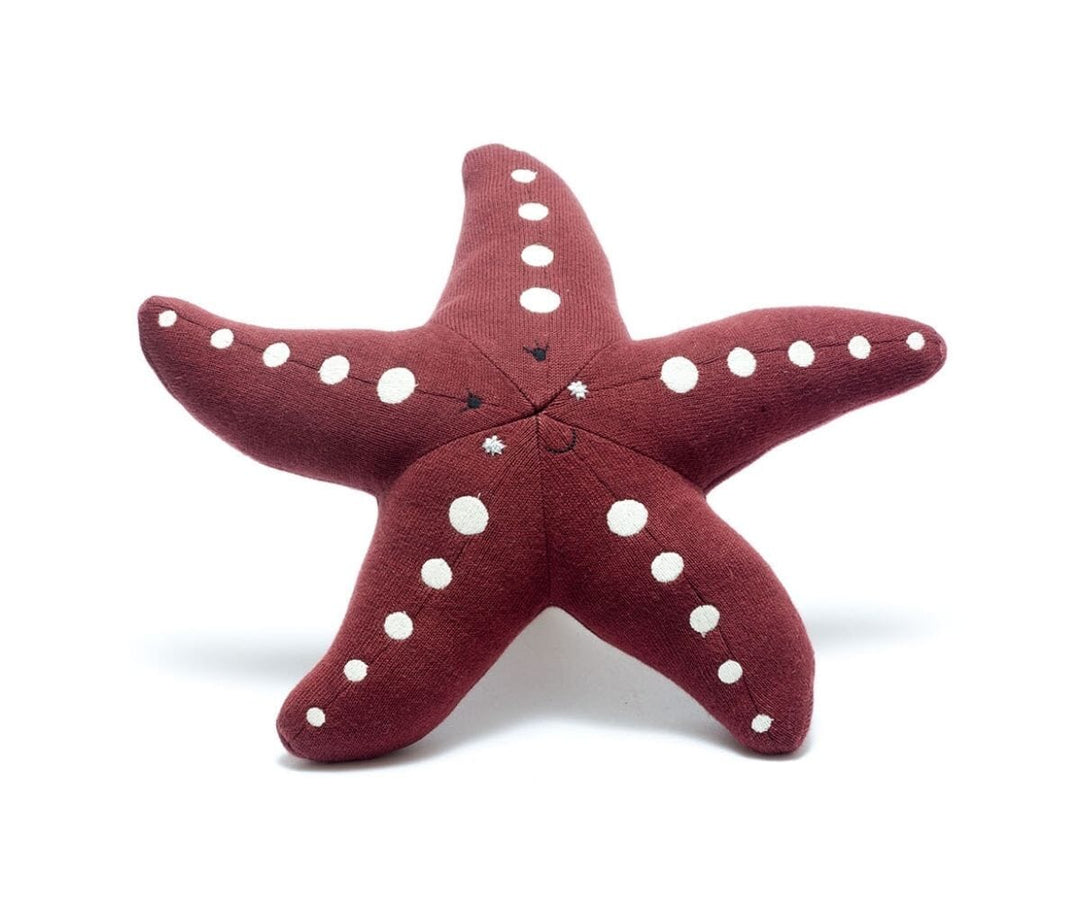
Organic Cotton Dark Pink Starfish Scandi Toy Baby Activity Toys Best Years
Personalised Born In Teddy Bear Baby Activity Toys Nestoro
Teal Organic Cotton Knitted Bunny Rabbit Soft Toy Baby Activity Toys Best Years
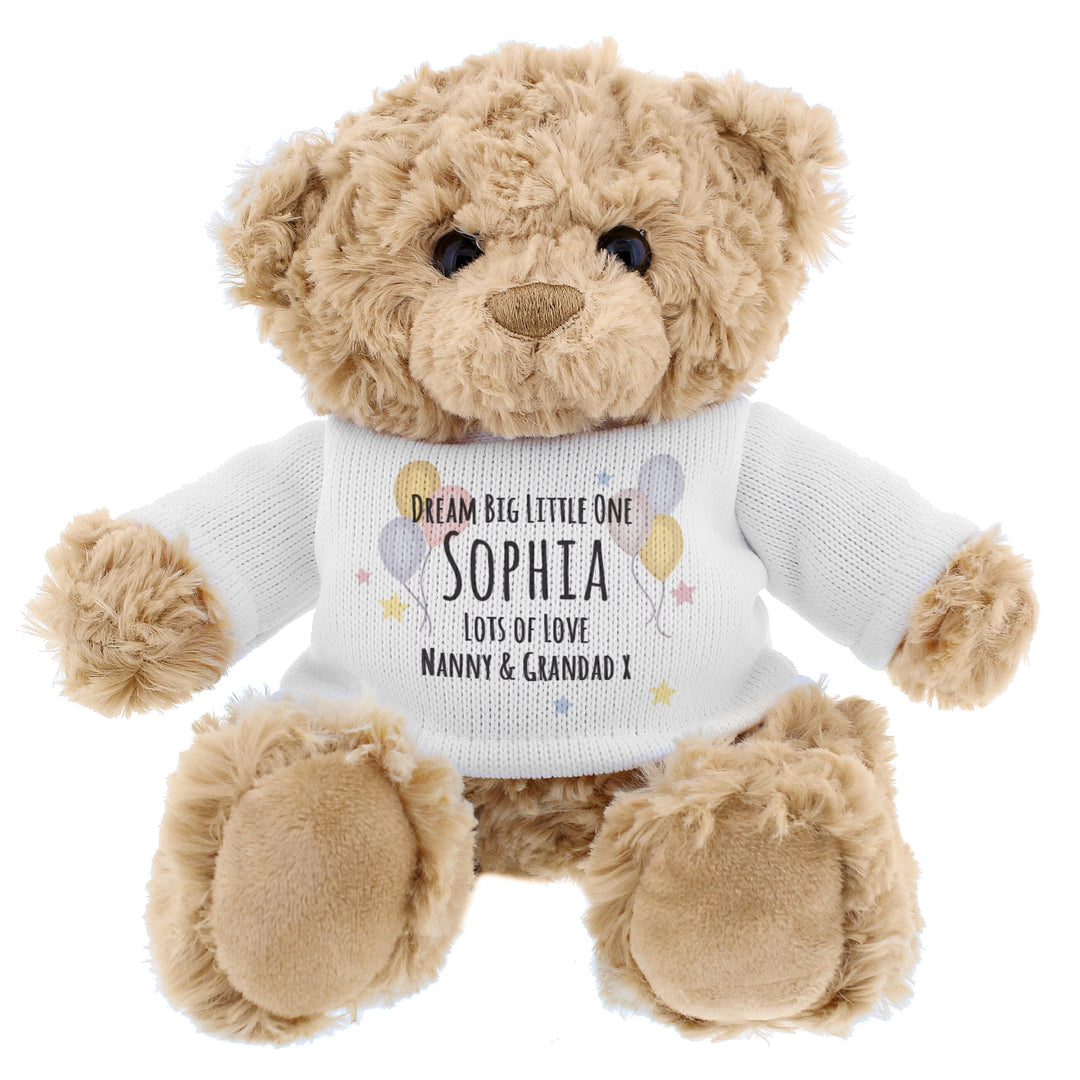
Personalised Teddy & Balloons Teddy Bear Baby Activity Toys Nestoro

Soft Toys Are the Easiest Category to Start With

Fabelab musical rainbow sleeping aid resting on a blanket in a warmly lit nursery, part of a calm bedtime routine

Keeping the Wind-Down Routine Calm at Bedtime

Rotation works well for daytime play, but the toys that sit near a child's bed as part of a wind-down routine are usually better left alone rather than swapped on the same schedule. A consistent, familiar comfort item and a small set of calming constants, such as a night light or a soft sleep soother, tend to work best precisely because they do not change from one night to the next, unlike the rotating selection out on the playroom floor during the day.

Nestoro's sleep support collection is built around that same distinction: a Nestoro LED night light and a Fabelab musical sleeping aid are both designed to stay in place as fixed parts of a bedtime routine, rather than items that get rotated in and out with the rest of the toy box. Keeping the daytime rotation and the bedtime constants clearly separate is a small distinction that makes both routines easier to keep up.

Toy Rotation and Autumn Routines: Your Questions Answered

What is a toy rotation system and how does it work?

A toy rotation system means keeping a smaller number of toys accessible at any one time and storing the rest away, then swapping the selection every so often, typically every one to two weeks. The aim is a smaller, more manageable set of choices rather than a full toy collection out on the floor at once.

How many toys should be out at once for a toddler?

There is no single fixed number, and it depends on the child and the space available, but the general idea behind a rotation is fewer than what would otherwise accumulate over time. A handful of distinct toys, covering a few different types of play, tends to work better than a large undifferentiated pile.

Can a toy rotation help with a calmer bedtime routine?

A rotation is best kept to daytime play. The toys and comfort items near a child's bed generally work better as fixed, unchanging parts of the wind-down routine, such as a consistent night light or sleep soother, rather than items swapped on the same schedule as daytime toys.

Which toys are easiest to start a rotation with?

Soft toys tend to be the simplest starting category, since they store easily, have no loose parts, and can be swapped without needing batteries or matching pieces. Building or construction toys with multiple components are usually better introduced once a rotation habit is already established.

Do rotated toys need to be stored anywhere special?

No special storage is required. A single labelled box or a lidded container kept out of the main play area is enough for most households; the rotation works through what comes out and goes away, not through the storage method used.

A Small Reset, Not a New System to Maintain

A toy rotation does not need to become another chore layered on top of an already busy start to September. Swapping a single box every couple of weeks is enough to make a play space feel reset without buying anything new, and pairing that with a bedtime routine that stays reassuringly the same each night covers both halves of what most families are trying to fix as the holidays end.

Neither habit needs to be perfect to be worth starting. A rotation that happens roughly every fortnight and a bedtime routine that mostly stays consistent will do more for a settled autumn than a more elaborate system that is too much effort to keep going.